
 Send Inquiry
 Send Inquiry
3mm ACP Cladding
Price 600 INR/ Piece
MOQ : 10 Pieces
3mm ACP Cladding Specification
- Feature
- Weather Resistant, Lightweight, Easy Installation
- Protective Film
- Yes
- Usage
- Architectural Decoration, Advertisement, Partition
- Material
- Aluminium Composite Panel (ACP)
- Dimension (L*W*H)
- 2440 mm x 1220 mm x 3 mm
- Surface Treatment
- PVDF Coating/Polyester Coating
- Coating Thickness
- 20-28 micron (Polyester/PVDF)
- Panel Thickness
- 3 mm
- Aluminum Thickness
- 0.25 mm
- Tensile Strength
- 48 MPa
- Yield Strength
- 44 MPa
- Color
- Multiple colors available
- Application
- Building Cladding, Exterior and Interior Walls, Facades, Signage
- Weight
- Approximately 3.8 kg/m
- Water Absorption
- 0.01%
- Thermal Expansion Coefficient
- 2.4 mm/m at 100C
- Density
- 1.5-1.6 g/cm
- Flexural Strength
- > 100 MPa
- Fire Rating
- Class B1 or A2 (optional)
- Core Material
- LDPE (Low Density Polyethylene)
- Shear Strength
- 20 MPa
- Surface Finish
- Glossy, Matte, Brushed, Wooden, Marble
- Temperature Resistance
- -50C to +80C
- Edge Type
- Straight Edge
3mm ACP Cladding Trade Information
- Minimum Order Quantity
- 10 Pieces
- Main Domestic Market
- Telangana
About 3mm ACP Cladding
3mm Aluminum Composite Panel (ACP) cladding is a versatile, lightweight, and cost-effective building material primarily used for interior applications, signage, and decorative low-rise exterior facades. Its lighter weight and balance of durability make it a popular choice where less structural stress and weathering resistance are sufficient compared to thicker panels like 4mm or 6mm options.
Versatile Cladding Solutions for Modern Architecture
Our 3mm ACP panels are designed for a wide range of architectural applications, including commercial facades, interior wall cladding, partitions, and signage. With their high-strength core material and sophisticated finishes, these panels add both durability and aesthetic value to building projects.
Superior Material Properties and Durability
Featuring LDPE core and robust aluminum layers with protective PVDF or polyester coatings, our ACP cladding is engineered to withstand harsh weather, temperature variations from -50C to +80C, and maintains its appearance even in demanding environments. The panels offer enhanced fire ratings, water resistance, and low maintenance requirements.
Easy Installation and Colorful Options
Choose from a variety of vivid colors and surface finishes to match your design needs. The straight-edge panels, protective film, and lightweight construction allow for fast, straightforward installation, reducing labor time and adding creative flexibility for architects and builders.
FAQ's of 3mm ACP Cladding:
Q: How is 3mm ACP cladding installed on building facades?
A: 3mm ACP cladding is typically installed using a supporting framework and mechanical fasteners. The straight-edge panels are lightweight and easily handled, allowing for quick alignment and secure mounting onto exterior or interior walls. Professional installers follow manufacturer guidelines to ensure optimal performance and appearance.Q: What are the benefits of LDPE core material in ACP cladding?
A: LDPE (Low Density Polyethylene) provides the ACP panels with excellent flexibility, lightweight structure, and enhanced shock absorption, resulting in easy handling and reduced installation costs. Additionally, LDPE contributes to the panel's superior thermal expansion characteristics and durability.Q: When should PVDF-coated ACP panels be chosen over polyester-coated ones?
A: PVDF-coated ACP panels offer better resistance to UV rays, harsh weather, and environmental pollutants, making them ideal for exterior architectural cladding. Polyester-coated panels are suitable for interior applications where exposure to strong sunlight and weather is minimal.Q: Where can ACP panels with various surface finishes be used?
A: ACP panels in glossy, matte, brushed, wooden, or marble finishes are versatile and can be used for commercial building facades, interior wall cladding, signage, partitions, and decorative features in offices, malls, and condominiums, providing aesthetic flexibility to suit different design requirements.Q: What process is involved in manufacturing ACP panels with fire rating Class B1 or A2?
A: To achieve Class B1 or A2 fire ratings, manufacturers incorporate specialized additives and apply rigorous quality controls during the panel's production, ensuring the LDPE core and aluminum layers meet stringent fire safety standards for architectural applications.Q: Why is ACP cladding preferred for architectural decoration and advertisements?
A: ACP cladding is favored due to its weather resistance, lightweight design, easy installation, and diverse surface finishes and colors. Its durability and flexibility make it suitable for customizing building exteriors, interiors, and signboards, enhancing both appearance and longevity.Q: What maintenance is required to keep ACP panels looking new?
A: ACP panels require minimal maintenance; regular cleaning with mild detergent and water will help maintain their finish. Protective PVDF or polyester coatings shield the surface from dirt and environmental damage, reducing the frequency and extent of upkeep needed.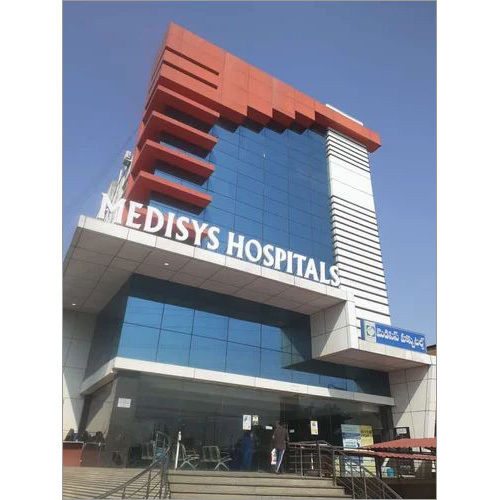
Tell us about your requirement

Price:
Quantity
Select Unit
- 50
- 100
- 200
- 250
- 500
- 1000+
Additional detail
Mobile number
Email

More Products in ACP Cladding Category
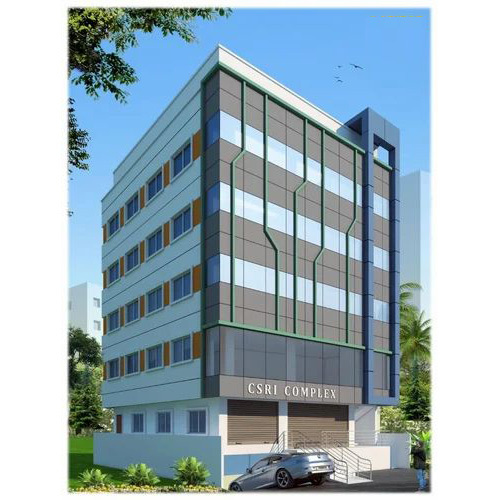
5mm ACP Cladding
Price 600 INR / Piece
Minimum Order Quantity : 10 Pieces
Dimension (L*W*H) : 1220 mm x 2440 mm x 5 mm
Application : Exterior and Interior Wall Cladding, Facades, Signage
Tensile Strength : 45 MPa
Material : Other, Aluminium Composite Panel (ACP)
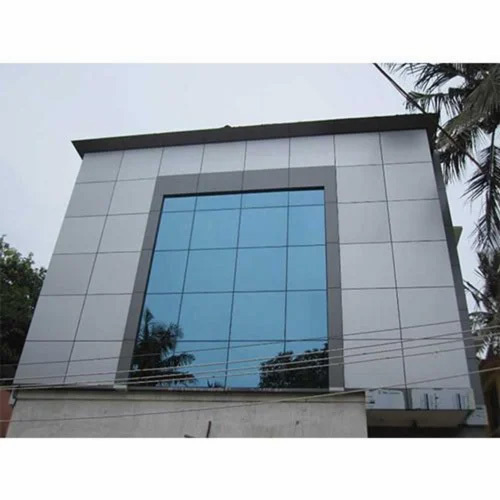
4mm ACP Cladding
Price 600 INR / Piece
Minimum Order Quantity : 10 Pieces
Dimension (L*W*H) : 2440mm x 1220mm x 4mm
Application : Building Facade, Exterior Wall Cladding, Interior Decoration
Tensile Strength : 55 MPa
Material : Other, Aluminum Composite Panel

Malik Ads
All Rights Reserved.(Terms of Use)
Developed and Managed by Infocom Network Private Limited.
Developed and Managed by Infocom Network Private Limited.

